





Table of Contents
- Introduction
- Importance of Space Management in Shared Living
- Understanding Shared Spaces
- Communication is Key
- Strategies for Sorting and Deciding What to Keep
- Efficient Storage Solutions
- Establishing Zones
- Creating a Cleaning Schedule
- Personalizing Your Space
- Conclusion
- Faq's
Introduction
Living with roommates can be a rewarding experience, fostering friendships and shared responsibilities. However, it can also pose significant challenges, particularly when it comes to managing shared spaces effectively. This comprehensive guide explores strategies for maximizing space and organization in a shared living environment, emphasizing the importance of communication and cooperation among housemates.
Importance of Space Management in Shared Living
Space management is crucial in any household, but it takes on added importance when multiple individuals share a living space. Effective space management not only ensures that all residents have room for their belongings but also creates a harmonious and functional living environment.
- Promotes Cohesion: When areas are organized and assigned, it reduces friction over personal belongings, fostering a sense of unity among roommates.
- Increases Efficiency: A well-organized space allows roommates to find items quickly and prevents overlap in responsibilities, maximizing efficiency in daily living.
- Reduces Clutter: By managing space thoughtfully, it minimizes clutter, making the living environment more pleasant and conducive to relaxation and productivity.
- Enhances Comfort: A tidy and coherent home atmosphere enhances comfort, making shared living more enjoyable.
 Importance of Space Management in Shared Living,Pinterest
Understanding Shared Spaces
Understanding shared spaces is vital for successful cohabitation. These spaces include the living room, kitchen, bathrooms, and communal areas, all of which require careful planning and organization.
- Define Shared vs. Private Spaces: Clearly outline which areas are communal and which are personal. Common spaces should be easy to access and navigate for everyone.
- Respect Personal Belongings: Encourage an understanding that personal items should remain in private spaces to maintain harmony.
- Cultural and Lifestyle Differences: Recognize that roommates may have differing lifestyles or ways of organizing; a flexible approach is essential.
 Understanding Shared Spaces,Pinterest
Communication is Key
Open lines of communication are perhaps the most critical aspect of managing shared living spaces.
- Regular Meetings: Schedule weekly or bi-weekly discussions to ensure everyone's voice is heard regarding space and organization concerns.
- Conflict Resolution: Address conflicts quickly and respectfully to prevent escalation.
- Feedback Loops: Create a system for providing feedback about shared living conditions and organization, promoting an atmosphere of collaboration.
 Communication is Key,Pinterest
Strategies for Sorting and Deciding What to Keep
Decluttering can be daunting, especially when sharing spaces with others. Here are some strategies to simplify the process:
- Joint Decluttering Sessions: Work together to declutter shared spaces. This ensures that everyone's preferences are taken into account.
- Three-Box Method: Use three boxes labeled 'Keep,' 'Donate,' and 'Trash' for sorting items during decluttering sessions.
- Frequency of Use: Keep items that are used frequently. If something hasn't been used in the last year, it's likely fine to get rid of it.
- Sentimental items: For items with sentimental value, establish a rule of one or two per person in shared spaces.
 Strategies for Sorting and Deciding What to Keep,Pinterest
Efficient Storage Solutions
Maximizing storage is a key factor in successful organization.
- Vertical Space: Utilize shelves, hooks, and wall-mounted storage to make the most of limited spaces.
- Multi-functional Furniture: Invest in furniture that serves multiple purposes, such as ottomans with storage or beds with drawers underneath.
- Clear Containers: Use clear bins for easy visibility of items, making it simple to find what you're looking for without rummaging.
- Labeling: Clearly label all storage containers so everyone knows where things belong, promoting accountability.
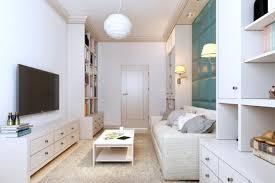 Efficient Storage Solutions,Pinterest
Establishing Zones
Creating defined zones within shared spaces can significantly improve organization.
- Designate Areas: Assign specific areas for different activities - a relaxing zone in the living room, a cooking area in the kitchen, etc.
- Personal Zones: Allow roommates to personalize their areas, creating a sense of ownership and comfort.
- Purposeful Decor: Use decor to demarcate areas subtly. Rugs, furniture arrangements, and color schemes can help delineate spaces.
Creating a Cleaning Schedule
Consistency in cleaning is essential for maintaining an organized shared home.
- Shared Responsibility: Divide cleaning tasks among roommates to ensure fairness.
- Weekly Rotations: Implement a rotating schedule for common tasks such as vacuuming, taking out the trash, and cleaning communal bathrooms.
- Task Lists: Maintain a visible checklist in common areas to promote accountability and track what has been done.
 Creating a Cleaning Schedule,Pinterest
Personalizing Your Space
Individualizing personal spaces while maintaining a respectful shared environment enhances comfort and satisfaction.
- Use Personal Decor: Encourage each roommate to decorate their personal space according to their taste without infringing on common areas.
- Shared Artwork: Collaborate on communal decor that reflects the interests of all roommates, bringing a sense of community into shared spaces.
- Household Rituals: Establish traditions like movie nights or dinner parties that celebrate both individuality and togetherness.
Conclusion
Optimizing space in a shared living environment requires teamwork, mutual respect, and efficient strategies. By enhancing communication, establishing zones, and creating an organized cleaning schedule, roommates can create a home that is comfortable, functional, and a joy to live in. Developing a personalized touch in your own space while maintaining communal harmony will inevitably lead to a positive living experience.

explore further
Latest from Contemporary ideas
More from Innovations
Resources


